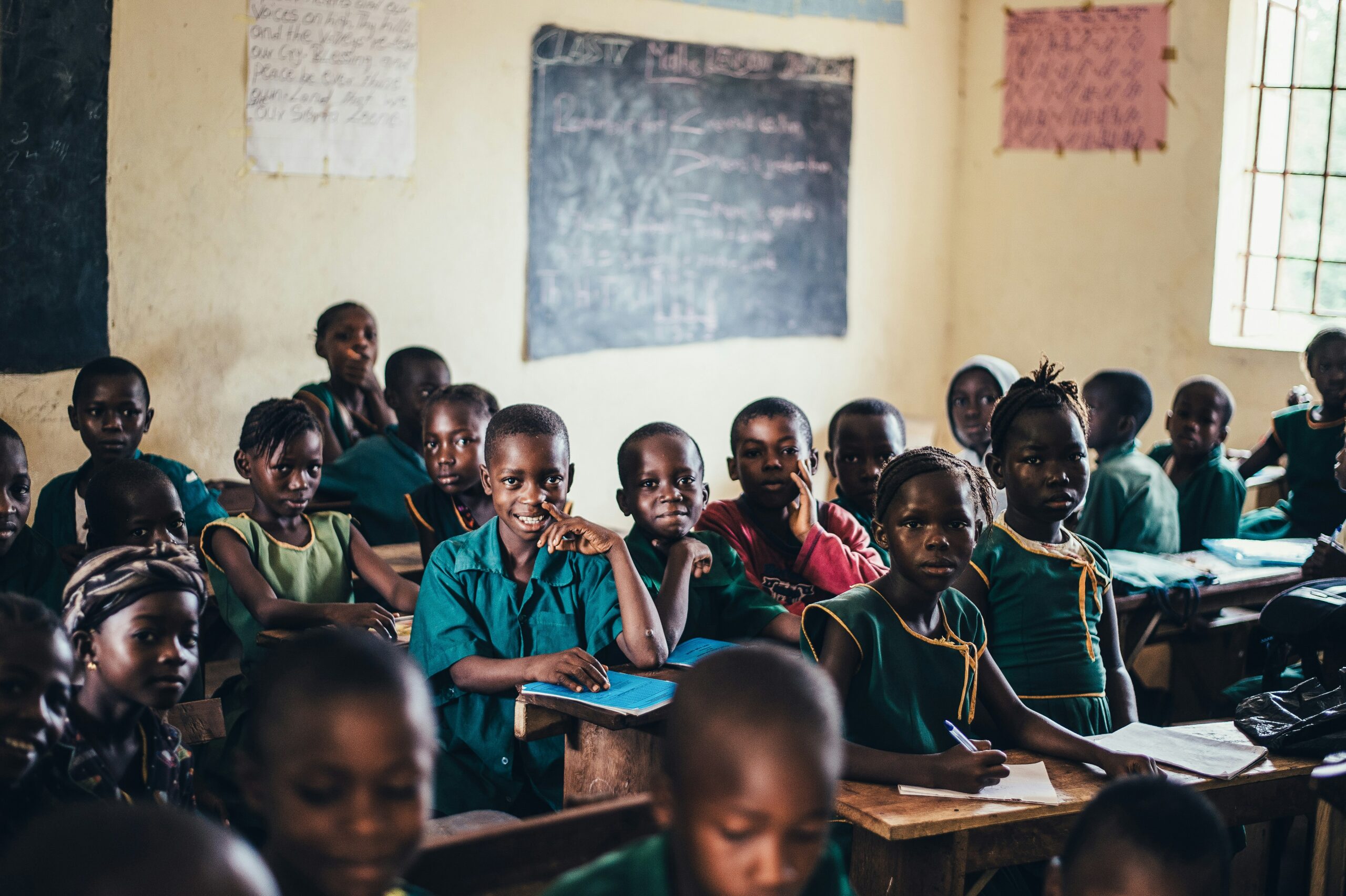
Africa is on a transformative journey in education. With a rapidly growing youth population and a growing focus on development, the coming decade will be critical in shaping the educational landscape of the continent. World Economic Forum postulates that Africa could provide the majority of the world’s new workers within the next 30 years. Therefore, quality, equity and accessibility of education in Africa are of importance globally. Many factors have been observed to challenge the growth of Africa’s educational atmosphere.
Challenges to Overcome:
- Digital Divide: There’s a major gap between people who can access and use digital technology and those who can’t. This is called the digital divide, and it’s getting worse as 3.7 billion people across the globe remain unconnected. While technology offers immense potential, unequal access to the internet and devices will continue to be a hurdle in Africa.
According to the 2021 Ibrahim Forum Report, 82% of pupils in Sub-Saharan Africa lack access to the internet and 89% to household computers. At least 20 million people live in areas not covered by a mobile network. Moreover, wide gender disparities in ownership of and access to digital devices have left many girls behind. Also, only 50% of countries have computer skills as part of their school curriculum, compared with 85% globally.
- Teacher Training and Support: Almost all countries lacked adequate financial resources to support teacher training, which meant relatively low proportions of teachers were trained in skills essential to supporting distance learning solutions. Equipping teachers with the skills and resources to effectively integrate technology and navigate evolving pedagogies will be crucial.
- Relevancy of Curriculum: Many educators and policymakers argue that the current curriculum in many African countries does not adequately prepare students for the challenges of the modern world. They believe that the curriculum should be updated to reflect the needs of a rapidly changing global economy and society. The education system must adapt to equip students with the skills needed for the 21st-century job market, including critical thinking, problem-solving, and digital literacy.
Opportunities for Growth:
- Edtech Revolution: Educational technology (EdTech) has the potential to personalize learning, bridge geographical divides, and provide access to high-quality resources.
- Mobile Learning: The ubiquity of mobile phones can be leveraged to deliver educational content and support remote learning.
- Blended Learning: Combining traditional classroom instruction with online learning platforms can create a mor
 e engaging and effective learning experience.
- Entrepreneurship Education: Equipping students with entrepreneurial skills can empower them to become job creators and drivers of economic growth.
- Focus on Life Skills: The curriculum needs to go beyond rote memorization and emphasize critical thinking, communication, collaboration, and problem-solving skills.
Predictions for the Coming Decade:
- Rise of Low-Cost EdTech Solutions: Technological advancements will lead to the development of more affordable and accessible EdTech tools specifically designed for African contexts.
- Increased Public-Private Partnerships: Governments and NGOs will collaborate with the private sector to leverage technology and expertise for broader educational outreach.
- Focus on Early Childhood Development: Greater emphasis will be placed on early childhood education, recognizing its critical role in shaping future learning outcomes.
- Data-Driven Education Systems: Educational institutions will utilize data analytics to personalize learning experiences, track student progress, and improve resource allocation.
- Growing Importance of STEM Education: Science, Technology, Engineering, and Math (STEM) education will be prioritized to equip students with the skills needed to compete in a technology-driven world.
The journey towards achieving quality education for all in Africa will not be without its challenges. However, the potential for innovation, collaboration, and a growing focus on the importance of education provides a hopeful outlook.