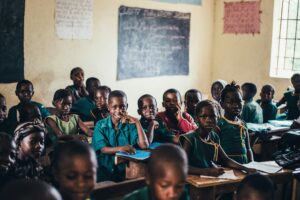
Education is widely regarded as the cornerstone of individual opportunity and societal progress. However, in Africa, where millions of children lack access to education, the high cost of schooling presents a significant barrier. This blog post explores the challenges families face in affording education and the impact it has on children’s futures.
BEYOND SCHOOL FEES: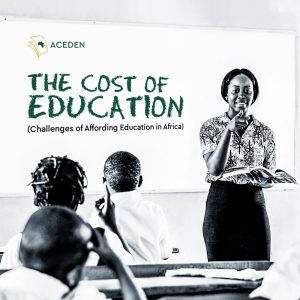
While school fees often grab headlines, the cost of education in Africa extends far beyond. Here’s a breakdown of the hidden expenses that can strain household budgets:
- Uniforms and Supplies: Required uniforms and essential school supplies can add up quickly, especially for families with multiple children.
- Transportation: Long commutes to schools, often in rural areas, may require transportation costs, adding another layer of financial burden.
- Exam Fees: National or standardized testing often comes with associated fees, creating an additional hurdle for students from low-income families.
- Extracurricular Activities: Participation in extracurricular activities can enhance a student’s learning experience, but these often come with additional costs.
THE RIPPLE EFFECT:
The high cost of education has a ripple effect throughout families and communities.
- Reduced School Enrollment: Financial constraints force many children, particularly girls, to drop out of school and enter the workforce prematurely, hindering their future prospects.
- The Cycle of Poverty: Without education, individuals are more likely to be trapped in low-paying jobs, perpetuating the cycle of poverty across generations.
- Strain on Household Income: The financial burden of education can force families to make difficult choices, like sacrificing other necessities like food or healthcare.
BREAKING DOWN BARRIERS:
Several initiatives are working to break down the financial barriers to education in Africa:
- Scholarship Programs: Scholarships offered by NGOs, governments, and private organizations can provide much-needed financial support to talented students.
- School Fee Waivers: Exemption programs for disadvantaged families can ensure they are not priced out of education.
- Free School Meals: Providing meals at school can alleviate financial burdens and improve student health and focus.
HOW YOU CAN HELP:
The African Child’s Educational Development Network (ACEDN) is committed to ensuring all children in Africa have access to quality education. Here’s how you can be part of the solution:
- Donate: Your contributions help us provide scholarships, school supplies, and other resources for underprivileged children.
- Spread Awareness: Share this blog post and raise awareness about the challenges of affording education in Africa.
- Volunteer: If you have skills or expertise, volunteer your time to support ACEDN’s programs.
By working together, we can create a future where education is not a privilege but a right for every child in Africa. Let’s invest in education and unlock the potential of the next generation!